Platelet-rich plasma injections have emerged as the newest therapy in the injection treatment of injuries and sicknesses. PRP essentially stimulates the body’s own natural healing for better healing from injuries. A post-PRP injection walk could in itself be a significant exercise in healing. Here are some things to learn:
- When it’s advisable to start walking again after the injection.
- Healing benefits of walking.
- Activity-level guidelines for safe activity.
- Rehabilitation exercises promote healing.
In a Hurry? Dial 312-374-3352 now!
When Can I Walk After PRP Injection?
Many patients become anxious about how soon they will be walking after the PRP injection. Generally, guidelines give a little idea, but they often vary from patient to patient.
Immediate Post-Injection Period (First 24-48-72 Hours)
The area in question really needs to be rested. This is meant to begin the healing process next, without high-impact movement. Recommendations include:
- No high-impact activities.
- Walk only short distances if you have to go.
- Ice area to reduce swelling and pain.
But, of course, the mind should be heard by the body. If it aches or feels discomforted, limit all movement. More ringing in patients is possible, which may be a small swelling or discoloration of the injection site, which is a normal part of healing. Monitor symptoms and communicate with your healthcare provider if symptoms persist or worsen.
Sweet Benefits of Walking After PRP
Well, after the primary recuperation period, walking has some benefits: to improve circulation for healing, to keep the joint mobile, to reduce stiffness after the procedure, and, naturally, to enhance well-being and mood-that is, at a subconscious level, towards recovery. Gentle walking can be the softest introduction to the resumption of day-to-day activities. Walking as a rhythmical movement makes the body’s endorphins release into this busy activity-natural pain relievers and mood lifters-by the body at least fit for a recovering injurer.

How To Optimize Recovery Days After PRP Injection?
The following are steps to achieve an optimum recovery period after a PRP injection:
- Follow the advice from your healthcare provider.
- Gentle mobility stretching exercises.
- Hydration and nutrition benefit.
Those factors will significantly aid in healing and will allow patients to return to their daily routines much quicker. Journal all recovery: keeping a daily record of entries, pain levels, and miles walked alongside the physician should help in tracking progress. This proactive strategy aids in the healing process and allows one to claim an active role in one’s recovery journey.
Walking and Activity Guidelines After PRP Treatment
Knowing the correct guidelines for walking and activity after PRP treatment is essential for a good recovery process. Such rules are different from each other depending on the specific condition or injury they treat, and also on personal responses to the treatment.
With every PRP injection, recovery timelines vary so widely, yet it offers some basic guidelines to explore broad expectations:
- Days 1-3: Rest and virtually no movement; healing must really start during this phase for the body.
- Days 4-7: Light walking within tolerated limits stimulates blood flow in these areas, an essential requirement for healing.
- Weeks 2-4: Light jogging is gradually progressed in duration and intensity with stretches and mobility exercises introduced based on health provider recommendations.
- From week 4 onwards: Most normal activity may be resumed as guided by health providers, with a focus on strengthening and stretching of the involved area.
The recovery of an individual is very unique; therefore, self-listening and adjusting the activity level are important. Supporting activities such as physiotherapy speed up healing and act as support for the individual healing process by informing the patient about exercises that would assist healing while minimizing chances of re-injury. Other supports include adequate hydration and a nutritious diet rich in tissue-repairing nutrients: proteins, vitamins, and minerals. Such lifestyle elements may considerably affect the time and quality of recovery after PRP Treatment.
In a Hurry? Dial 312-374-3352 now!
What Is Involved in PRP Therapy? How PRP Treatment Works?
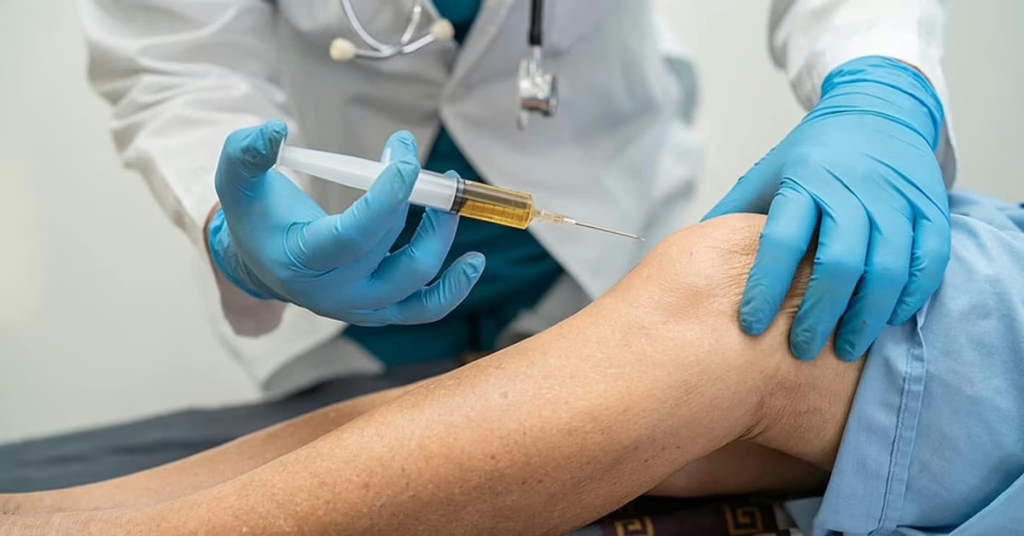
Basically, PRP therapy is the process in which a patient has a little blood drawn, concentrated platelets, and is injected into an injured area. The platelets contain growth factors to heal and regenerate damaged tissue. This is a peculiar way of healing where the body will attempt to harness its own repair mechanisms. It has become somewhat of a fad amongst athletes or anyone who wants to avoid surgery as one of the avenues for recovery.
PRP is generally used for conditions that require:
- Tendon injuries
- Sprains of ligaments
- Osteoarthritis of joints
An understanding of the procedure is helpful for the patient in maintaining motivation toward compliance with recovery guidelines as well as engaging in activities that would be helpful toward healing. It must also be mentioned that while PRP therapy greatly accelerates recovery, the entire effectiveness of treatment relies on a few individual factors, like age and overall health, in addition to how severe the injury is. Some patients may start noticing marked improvements in a few weeks, whereas others may take two or more sittings to see favorable outcomes.
Optimizing Recovery and Long-Term Results
If PRP therapy is relied upon to generate optimal efficacy, the initiative must maintain an unrelenting focus on optimizing recovery. Part of that focus will include walking. The other principal focus should be the integration of rehabilitation exercise programs.
Rehabilitation Exercises to Assist Healing
Beyond the acute stage of healing, rehabilitation exercise programs can be of great assistance to healing. A few examples of good exercise approaches include:
- Gentle range-of-motion exercises to maintain flexibility
- Strengthening exercises to support the injured area
- Balance exercises for greater stability
A combination of these exercises may slowly begin under the guidance of a health practitioner to minimize the chances of injury. Swimming or cycling are some low-impact activities conducive to the increased circulation of blood to the area of injury and hence healing. It also serves to maintain cardiopulmonary fitness while not placing any further load on the injured area, creating a far more pleasant recovery experience.

Summing Up!
PRP injection will, in fact, promote some walking and, therefore, will contribute towards a successful recovery. Given a working knowledge of guidelines, implications, and expectations, patients can participate actively in the continuum of healing toward returning to their everyday lives. An individualized recovery plan should always be established alongside a certified medical practitioner, thus fitting a special set of needs and circumstances belonging to each patient.
If you want advanced treatment for knee pain, zapping the notions of surgery, opioids, and downtime, you’re at the right place! Dvida Med Spa. With our state-of-the-art treatment facility and the services from our eminent doctors benefiting patients, we provide the treatment to alleviate knee arthritis pain, enhance mobility, and postpone surgery through advanced digital imaging techniques. Now is the time to take the next step towards a more active and comfortable lifestyle. Schedule your no-obligation screening today and find out how our treatments will get you back on your feet. Talk to Dvida now!